
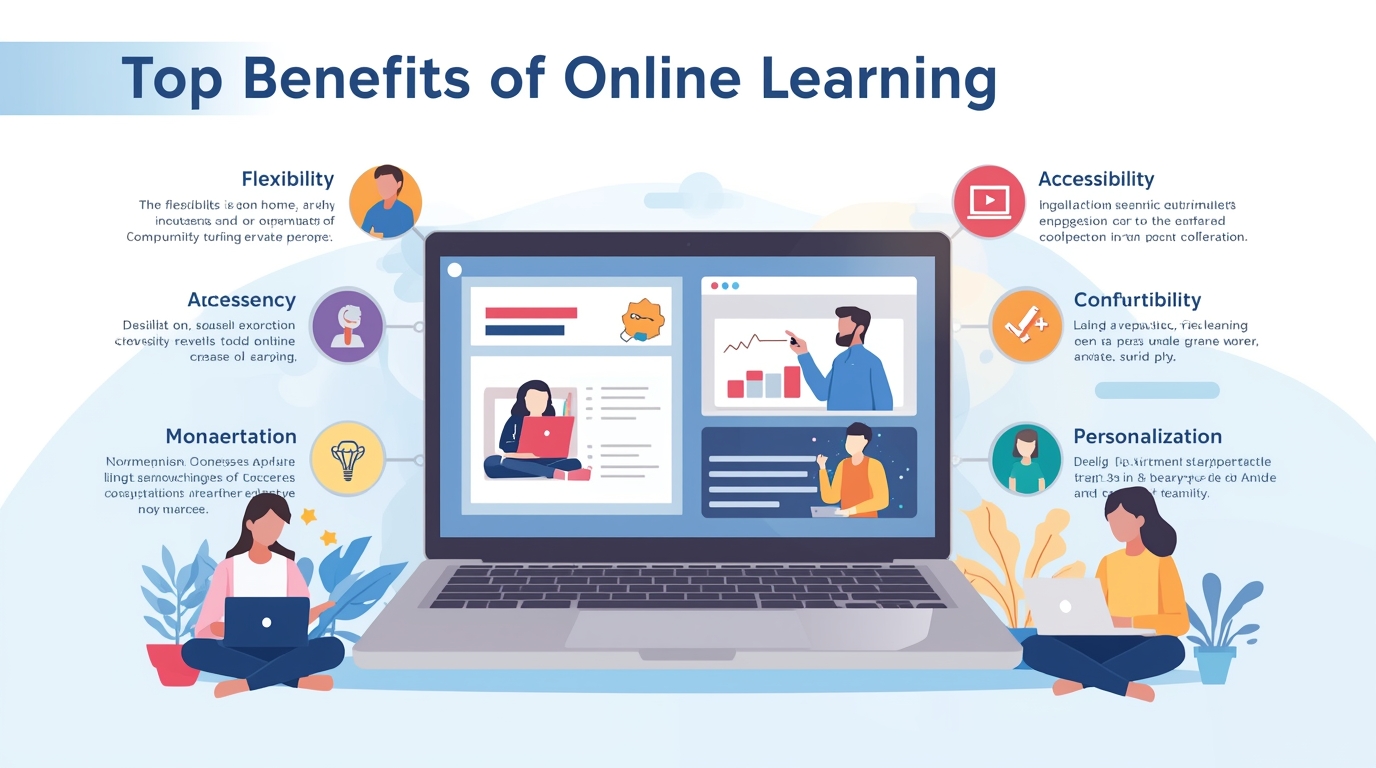
Online learning is no longer the “backup plan” for people who missed the school bus. It has become a powerful, flexible, and sometimes life-changing way to study. Whether you are a high school student, a working adult, a parent, or someone who just wants to learn how to bake a perfect chocolate cake without burning down the kitchen, online learning has something for you.
In recent years, platforms like Coursera, Udemy, edX, and Khan Academy have made education more accessible than ever. And universities such as Harvard University and Stanford University now offer online courses too. So yes, you can technically attend a class from a top university while sitting in your pajamas. That’s what we call progress.
In this article, we will explore the top benefits of online learning in simple language, with a bit of humor, and with enough detail to help you truly understand why this learning method is growing so fast.
1. Flexibility: Learn on Your Own Schedule
No More 7 A.M. Panic
Let’s be honest. Waking up early for school or college is not everyone’s favorite hobby. With online learning, you don’t have to rush out of bed, fight traffic, or worry about being late because your bus driver decided to take a “scenic route.”
Online courses allow you to study at your own pace. You can watch lectures in the morning, afternoon, or even at midnight if that’s when your brain feels alive.
Key Flexibility Benefits:
-
Study anytime, anywhere
-
Balance work, family, and education
-
Learn at your own speed
-
Replay lessons as many times as needed
If you didn’t understand something the first time, just rewind the video. Imagine asking your teacher in a traditional classroom to repeat the same sentence five times. Awkward, right?
2. Cost-Effective Education
Saving Money Without Eating Instant Noodles Every Day
Traditional education can be expensive. Tuition fees, transportation costs, accommodation, textbooks — the list goes on. Online learning reduces many of these expenses.
Here’s a simple comparison:
| Expense Type | Traditional Learning | Online Learning |
|---|---|---|
| Transportation | High | None |
| Accommodation | Often required | Not required |
| Printed Textbooks | Expensive | Often digital/free |
| Campus Facility Fees | Included | Usually lower |
| Flexibility to Work Part-Time | Limited | High |
Many online courses are free or much cheaper than traditional programs. For example, platforms like FutureLearn and Skillshare offer affordable subscription plans.
When you save money on transport and housing, you can use that money for something important — like investing in better internet (because buffering during an exam is a nightmare).
3. Access to a Wide Range of Courses
From Coding to Cooking — Everything Is Online
One of the biggest advantages of online learning is variety. You are not limited to what your local school or university offers.
You can learn:
-
Programming
-
Graphic design
-
Digital marketing
-
Photography
-
Psychology
-
Business management
-
Foreign languages
-
Even how to talk confidently in public
The options are almost endless.
Want to learn data science? There’s a course for that.
Want to master public speaking? There’s a course for that too.
Want to learn how to train your dog not to ignore you? Probably yes, there’s a course for that.
Online platforms connect you to instructors from around the world. You are no longer limited by geography.
4. Learn from Top Institutions and Experts
World-Class Education Without a Plane Ticket
In the past, studying at famous universities required traveling abroad, passing difficult exams, and paying very high tuition fees. Today, many institutions offer online programs and certifications.
You can attend lectures from professors who teach at global institutions, all from your living room.
This means:
-
Access to high-quality education
-
Exposure to global perspectives
-
Learning from experienced professionals
-
Updated and industry-relevant content
Online education breaks the wall between “local” and “global.” Your classroom becomes international.
5. Comfortable Learning Environment
Goodbye, Uncomfortable Chairs
Let’s talk about something important: comfort.
In a traditional classroom, you sit in one position for hours. Your back hurts. Your neck hurts. Your brain hurts.
With online learning, you can:
-
Sit on your couch
-
Study in your bedroom
-
Learn at a coffee shop
-
Adjust your lighting and temperature
You create your own study space.
Of course, this comfort also requires discipline. Studying in bed can be dangerous. You may start reading about economics and wake up three hours later wondering why your phone is on your face.
6. Improved Time Management Skills
You Become the Boss of Your Schedule
Online learning forces you to manage your time wisely. There is no teacher physically reminding you every day. You must plan your schedule, meet deadlines, and stay organized.
This helps you develop:
-
Self-discipline
-
Responsibility
-
Planning skills
-
Goal-setting habits
These skills are valuable in the workplace. Employers love people who can manage their time without supervision.
In simple words, online learning trains you to be independent.
7. Career Advancement Opportunities
Upgrade Your Skills Without Quitting Your Job
Many professionals choose online learning to improve their careers. Instead of quitting their jobs to study full-time, they can continue working and study during their free time.
Here’s how online learning supports career growth:
| Career Goal | How Online Learning Helps |
|---|---|
| Get a promotion | Gain new certifications |
| Change careers | Learn new industry skills |
| Increase salary | Build in-demand expertise |
| Start a business | Learn entrepreneurship skills |
Online certifications can strengthen your resume and show employers that you are committed to self-improvement.
And let’s be honest — “I completed 10 online certifications this year” sounds much better than “I watched 10 seasons of random TV shows.”
8. Personalized Learning Experience
Study at Your Own Speed
In traditional classrooms, everyone moves at the same pace. If you learn quickly, you might get bored. If you learn slowly, you might feel left behind.
Online learning solves this problem.
You can:
-
Pause lessons
-
Rewatch difficult sections
-
Skip topics you already understand
-
Spend extra time on complex areas
This personalized approach improves understanding and reduces stress.
You are in control of your learning journey.
9. Global Networking Opportunities
Meet People from Around the World
Online classes often include students from different countries. Discussion forums, group projects, and virtual meetings help you connect with people from various backgrounds.
Benefits of global networking:
-
Cultural exchange
-
Broader perspectives
-
Professional connections
-
Future job opportunities
You might collaborate with someone in another country without leaving your home. That’s pretty impressive.
10. Technology Skills Improvement
Become More Tech-Savvy
Online learning requires the use of digital tools. Over time, you naturally improve your technology skills.
You learn to:
-
Use video conferencing platforms
-
Share files online
-
Participate in discussion forums
-
Use productivity tools
These skills are important in today’s digital workplace.
In short, online learning doesn’t just teach your subject — it also teaches you how to survive in the digital world.
11. Environmentally Friendly Option
Saving the Planet, One Online Class at a Time
Online learning reduces:
-
Paper usage
-
Transportation emissions
-
Physical campus energy consumption
Less commuting means fewer cars on the road. Fewer printed textbooks mean fewer trees cut down.
Studying online is not just convenient — it can also be more eco-friendly.
12. Better Work-Life Balance
More Time for What Matters
Balancing work, studies, and personal life can be difficult. Online learning provides flexibility that helps you maintain a healthier balance.
You can:
-
Spend more time with family
-
Maintain a part-time or full-time job
-
Pursue hobbies
-
Avoid long commutes
Life becomes more manageable when education fits into your schedule instead of controlling it.
13. Continuous Learning Opportunities
Learning Never Has to Stop
Online learning supports lifelong education. You can keep learning new skills at any stage of life.
Education is no longer limited to:
-
Childhood
-
College years
-
Formal degrees
With online platforms, learning becomes a continuous process.
You can update your skills regularly and stay competitive in a fast-changing world.
Challenges of Online Learning (And How to Overcome Them)
It would not be fair to only talk about the good side. Online learning also has challenges.
Common Challenges:
-
Distractions at home
-
Internet issues
-
Lack of face-to-face interaction
-
Procrastination
Simple Solutions:
-
Create a dedicated study space
-
Set daily goals
-
Use a planner or calendar
-
Join study groups
-
Limit social media during study time
Discipline is the secret ingredient. Without it, online learning can turn into online scrolling.
Comparison: Online Learning vs Traditional Learning
| Feature | Online Learning | Traditional Learning |
|---|---|---|
| Flexibility | Very High | Limited |
| Cost | Usually Lower | Often Higher |
| Social Interaction | Virtual | Face-to-Face |
| Accessibility | Global | Location-Based |
| Learning Pace | Self-Paced | Fixed Pace |
| Comfort | High | Moderate |
Both methods have advantages, but online learning clearly offers strong flexibility and accessibility.
Final Thoughts: Is Online Learning Worth It?
Online learning has changed the way people think about education. It is flexible, affordable, accessible, and full of opportunities. It allows people to learn new skills, advance their careers, and improve their knowledge without major life disruptions.
Of course, it requires discipline, motivation, and good time management. But if you are willing to stay focused, online learning can be one of the best investments in your future.
Education is no longer limited to classrooms with whiteboards and uncomfortable chairs. Now, your classroom can be anywhere — your home, a café, or even your backyard.
