
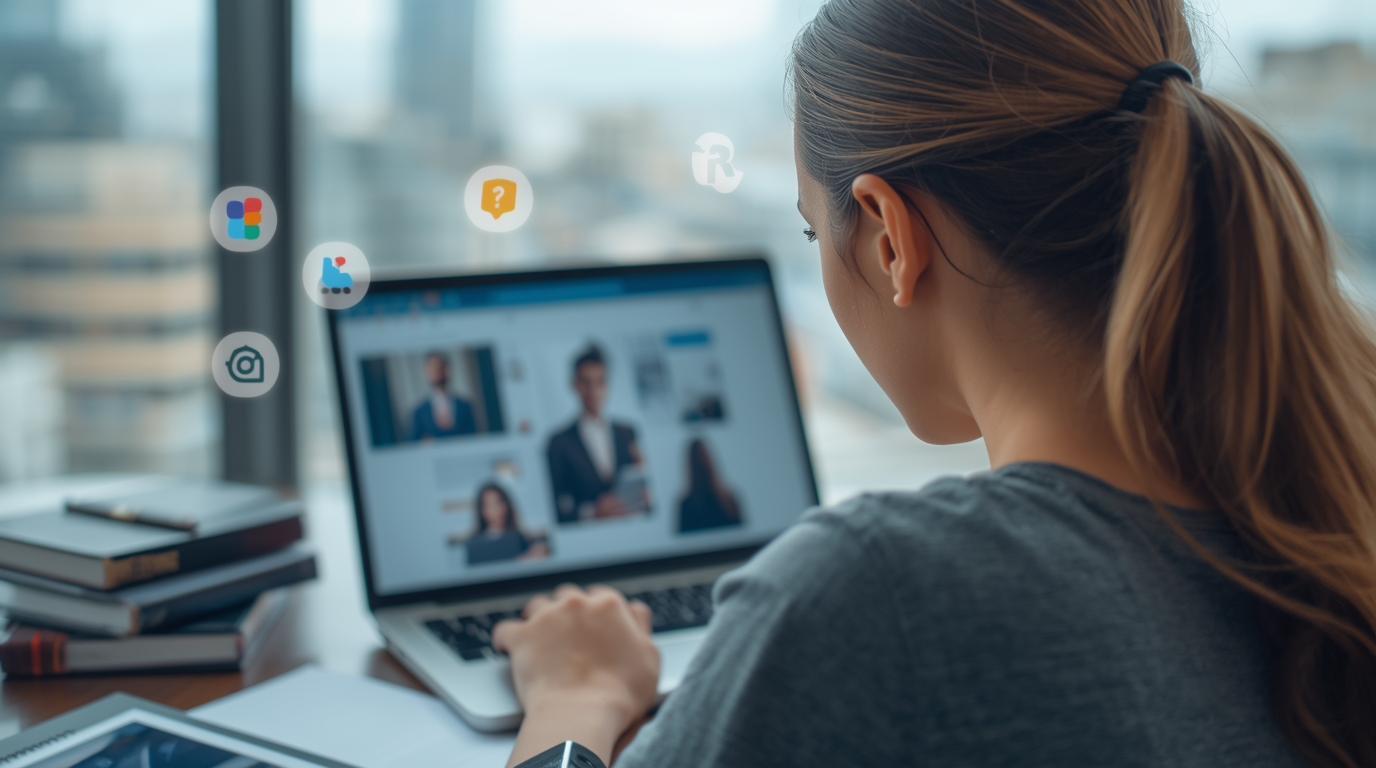
Online learning used to be something people whispered about like it was a secret club. “Oh, you study online?” they would ask, raising one eyebrow like you just said you train dragons in your free time.
Fast forward to today, and online learning is everywhere. From high school students watching recorded lectures to adults taking professional courses at midnight in their pajamas, studying online has become part of normal life.
Platforms like Coursera, Udemy, Khan Academy, and edX have made education accessible to millions of people around the world. You no longer need to sit in a classroom to learn about science, business, art, or even how to bake the perfect chocolate cake (very important skill, by the way).
In this article, we will explore how online learning is changing the way we study, how it affects students and teachers, and what the future might look like. Don’t worry — we’ll keep it simple, clear, and maybe even a little funny.
The Traditional Way of Studying: A Quick Look Back
Before we jump into online learning, let’s remember how studying used to work.
For many years, education followed a simple pattern:
-
Wake up early
-
Wear a uniform (sometimes uncomfortable)
-
Sit in a classroom
-
Listen to the teacher
-
Take notes
-
Go home with homework
It was structured. It was organized. And sometimes… it was boring.
What Made Traditional Learning Strong
Traditional classrooms are not bad. In fact, they have some clear advantages:
-
Face-to-face interaction
-
Immediate feedback from teachers
-
Social connections with classmates
-
A fixed schedule that keeps you disciplined
There is something powerful about sitting in a classroom, raising your hand, and asking a question directly. It feels human and personal.
But It Also Had Limitations
However, traditional learning also had challenges:
| Limitation | Explanation |
|---|---|
| Fixed schedule | You must attend at specific times |
| Location-based | You need to be physically present |
| Limited flexibility | Missing a class means missing content |
| One teaching style | Not every student learns the same way |
If you were sick, traveling, or just having a bad day, you could miss important lessons. And once the class moved on, catching up was not always easy.
This is where online learning began to shine.
The Rise of Online Learning
Online learning did not appear overnight. It slowly grew as the internet became more accessible. But when the world faced the global pandemic in 2020, everything changed quickly.
Schools and universities had no choice but to move online. Platforms like Zoom and Google Classroom suddenly became as important as textbooks.
Students were attending classes from their bedrooms. Teachers were explaining lessons while trying to figure out why their microphone was muted. (Yes, that happened a lot.)
Technology Made It Possible
Several technological developments helped online learning grow:
-
Faster internet connections
-
Affordable smartphones and laptops
-
Learning management systems (LMS)
-
Video conferencing tools
-
Cloud storage
Because of these tools, education could continue even when physical classrooms were closed.
Flexibility: The Biggest Game Changer
One of the biggest ways online learning is changing how we study is flexibility.
You are no longer tied to one location or one schedule.
Study Anytime, Anywhere
With online learning:
-
You can watch lectures at night.
-
You can pause and replay difficult parts.
-
You can learn while traveling.
-
You can study at your own speed.
If you didn’t understand something, you don’t have to panic. Just rewind the video. Imagine if we could rewind a teacher in real life. “Sir, please repeat that… and maybe slow down by 50%.” Online learning actually lets you do that.
Self-Paced Learning
Many platforms allow self-paced learning. This means:
-
Fast learners can move quickly.
-
Slower learners can take more time.
-
Students can review materials multiple times.
This personalized approach helps many students understand topics better.
Access to Global Knowledge
In the past, your education depended on where you lived. If you were in a small town, your options might be limited.
Now, online learning connects you to experts around the world.
For example:
-
You can take a programming course from a university in the United States.
-
You can learn business strategies from experts in Europe.
-
You can study language with teachers in Asia.
You no longer need a passport to access global education. Your Wi-Fi connection is your new passport.
More Course Choices Than Ever
Online platforms offer thousands of courses.
Here is a simple comparison:
| Traditional School | Online Learning Platforms |
|---|---|
| Fixed curriculum | Thousands of course options |
| Limited subjects | Niche and specialized topics |
| Semester-based | Short-term or long-term courses |
| Degree-focused | Certificates, skills, hobbies |
You can learn coding, digital marketing, graphic design, photography, cooking, or even how to start a YouTube channel.
It’s like a giant supermarket of knowledge. Just don’t get lost in aisle 47.
Changing the Role of Teachers
Online learning has also changed the role of teachers.
From Lecturer to Guide
In traditional classrooms, teachers mostly talk while students listen.
In online learning, teachers often:
-
Create digital content
-
Design interactive assignments
-
Guide discussions in forums
-
Provide feedback online
They become facilitators rather than just lecturers.
New Skills for Teachers
Teachers now need:
-
Basic technical skills
-
Video presentation skills
-
Online communication skills
-
Digital assessment knowledge
It’s not easy. Imagine being an experienced teacher for 20 years and suddenly having to learn how to record, edit, and upload videos. That’s a big change.
Students Are Becoming More Independent
Online learning requires responsibility.
There is no teacher physically standing over you saying, “Open your book.”
You need:
-
Self-discipline
-
Time management
-
Motivation
If you are distracted by social media, online games, or snacks in your kitchen, studying online can be challenging.
Let’s be honest — sometimes the biggest enemy of online learning is the “Next Episode” button on streaming platforms.
Building Self-Discipline
Online learning helps students:
-
Manage their own schedules
-
Set goals
-
Track their progress
-
Take responsibility for deadlines
These are important life skills, not just academic skills.
Interactive and Engaging Learning Tools
Online learning is not just about watching videos.
Many courses include:
-
Quizzes
-
Discussion boards
-
Interactive simulations
-
Group projects
-
Live sessions
Some platforms use gamification. This means learning feels like a game.
You earn:
-
Points
-
Badges
-
Certificates
Who knew studying could feel a little like leveling up in a video game?
Cost and Affordability
Education can be expensive.
Online learning often costs less than traditional education.
Here’s a simple comparison:
| Expense Type | Traditional Education | Online Learning |
|---|---|---|
| Transportation | Required | Not required |
| Accommodation | Sometimes needed | Not required |
| Printed materials | Often needed | Mostly digital |
| Tuition fees | High | Often lower |
Many online courses are free or affordable. Some only require a small payment for certification.
This makes education more accessible to people from different economic backgrounds.
Challenges of Online Learning
Online learning is not perfect.
Let’s look at some challenges.
Lack of Social Interaction
Studying alone can feel isolating. You may miss:
-
Classroom discussions
-
Group study sessions
-
Face-to-face friendships
Human connection is important in learning.
Technical Problems
We’ve all experienced:
-
Slow internet
-
Power outages
-
Microphone issues
-
“You’re on mute” moments
Technology is helpful, but it is not always reliable.
Screen Fatigue
Spending hours in front of a screen can cause:
-
Eye strain
-
Headaches
-
Tiredness
Your eyes sometimes feel like they ran a marathon.
Blended Learning: The Best of Both Worlds
Many schools now use blended learning.
This combines:
-
Face-to-face classes
-
Online materials
-
Digital assignments
Blended learning allows flexibility while keeping human interaction.
It may become the future of education.
Online Learning and Career Growth
Online learning is not only for students.
Professionals use it to:
-
Upgrade skills
-
Learn new technologies
-
Change careers
-
Stay competitive
Companies value employees who continue learning.
In today’s fast-changing world, learning never really stops.
The Future of Online Learning
Online learning will likely continue to grow.
Future trends may include:
-
Artificial intelligence tutors
-
Virtual reality classrooms
-
Personalized learning paths
-
Global collaboration
Imagine attending a virtual class where you wear VR glasses and feel like you’re sitting in a real classroom with students from different countries. That future may not be far away.
Conclusion: A New Way to Study
Online learning is not replacing traditional education completely. Instead, it is reshaping it.
It offers:
-
Flexibility
-
Accessibility
-
Variety
-
Affordability
But it also requires discipline and responsibility.
The way we study has changed. We are no longer limited by walls, schedules, or geography. Education has moved into our homes, our phones, and sometimes even our beds.
