
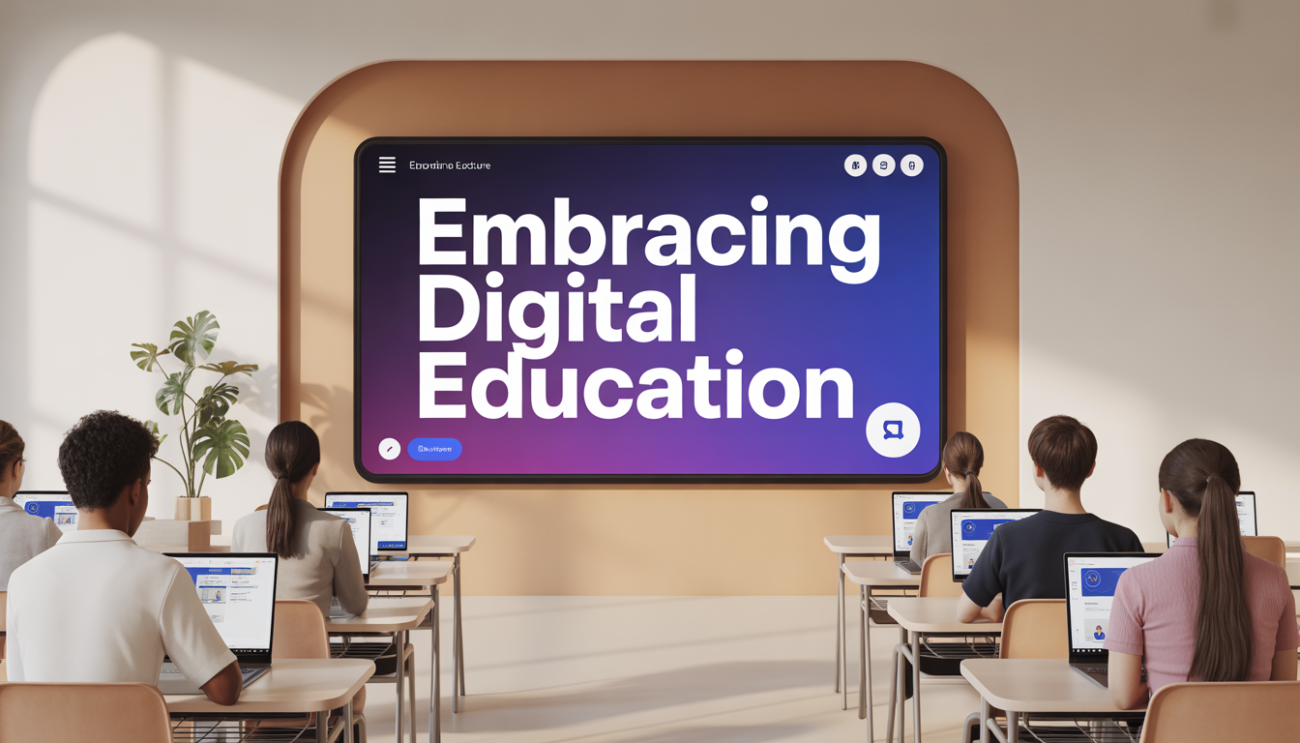
Let’s be honest — learning used to mean waking up early, dragging yourself to class, pretending to understand math, and secretly counting ceiling tiles while the teacher talked.
Today?
You can learn coding, cooking, psychology, marketing, or even how to speak Japanese — all while sitting in pajamas, sipping coffee, and arguing with your Wi-Fi router.
Welcome to the age of online learning.
Online education is no longer just an “extra option.” It has become a global education revolution. Schools, universities, companies, and independent learners are moving online faster than students disappear when homework is announced.
In this detailed guide, we’ll explore:
- Why online learning exploded
- Major trends reshaping education
- Benefits and challenges
- Future opportunities
- Real-world impacts you simply can’t ignore
So grab your virtual notebook — class is officially in session.
What Is Online Learning? (And Why Everyone Talks About It)
Online learning, often called e-learning, refers to education delivered through the internet using:
- Video lectures
- Virtual classrooms
- Learning platforms
- Interactive quizzes
- Discussion forums
- Digital assignments
Instead of physical classrooms, students connect through laptops, tablets, or phones.
And yes — sometimes from bed. No judgment here.
Online courses range from:
- Short skill courses
- Professional certifications
- Corporate training programs
- Full university degrees
What started as experimental education has now become mainstream worldwide. Many institutions have adopted digital programs, and projections suggest that almost 95% of universities are expected to offer online programs, showing how deeply education has changed.
How Online Learning Took Over the World
1. Technology Finally Caught Up
In the early 2000s, online learning meant:
- Slow internet
- Low-quality videos
- Confusing platforms
Basically, frustration with homework included technical problems too.
But today we have:
- High-speed internet
- Cloud platforms
- Smartphones everywhere
- AI-powered tools
- Interactive software
Technology turned online learning from “nice idea” into practical reality.
2. The Global Shift Toward Remote Learning
A major turning point happened when schools and workplaces moved online worldwide. Suddenly:
- Teachers learned Zoom faster than students learned algebra.
- Parents discovered how hard teaching actually is.
- Students realized learning could happen anywhere.
Online education went from optional to essential almost overnight.
3. Massive Market Growth
The online learning industry isn’t just growing — it’s exploding.
Some estimates suggest the global online learning market could reach $319 billion and serve over 1 billion learners worldwide.
That’s not a trend.
That’s a transformation.
Why Students Love Online Learning
Let’s be real — students didn’t adopt online learning just because schools said so.
They stayed because it works.
Key Benefits
✅ Flexibility
Learn anytime, anywhere.
Morning person? Study early.
Night owl? Study at 2 AM.
Traditional classrooms never allowed that freedom.
✅ Lower Costs
Online learning often reduces:
- Transportation costs
- Housing expenses
- Printed materials
- Campus fees
Your wallet finally gets a break.
✅ Learn at Your Own Speed
In physical classrooms:
- Fast learners feel bored.
- Slow learners feel stressed.
Online learning lets everyone move at a comfortable pace.
✅ Global Access
Students from small towns can now learn from top universities worldwide without relocating.
Education is no longer limited by geography.
Quick Comparison Table
| Feature | Traditional Learning | Online Learning |
|---|---|---|
| Location | Physical campus | Anywhere |
| Schedule | Fixed | Flexible |
| Cost | Higher | Often lower |
| Pace | Same for all | Personalized |
| Accessibility | Limited | Global |
Major Online Learning Trends You Can’t Ignore
Now let’s explore the trends reshaping education right now.
Trend 1: Skill-Based Learning Is Winning
Employers today care less about degrees alone and more about skills.
Companies want people who can:
- Analyze data
- Build websites
- Market products
- Solve problems
Digital education platforms focus heavily on practical skills rather than memorization.
Translation:
Knowing things matters less than doing things.
Trend 2: Microlearning (Small Lessons, Big Results)
Attention spans are shrinking faster than phone batteries.
Microlearning solves this by offering:
- 5–10 minute lessons
- Bite-sized videos
- Quick exercises
Perfect for busy professionals and distracted learners.
Trend 3: AI-Powered Personalized Education
Artificial Intelligence now helps:
- Recommend courses
- Track progress
- Identify weak areas
- Customize lessons
Imagine having a personal tutor that never sleeps or complains.
Trend 4: Mobile Learning Everywhere
Your smartphone is now:
- A classroom
- A library
- A tutor
- A certification center
Students increasingly learn during commutes, lunch breaks, or while pretending to exercise at the gym.
Trend 5: Hybrid Learning Models
The future isn’t fully online or fully offline.
It’s hybrid learning — combining:
- Online lectures
- Physical workshops
- Virtual collaboration
Schools worldwide are adopting this blended approach.
Trend 6: Corporate Online Training Boom
Companies discovered something powerful:
Training employees online is cheaper and faster.
Businesses now use online platforms for:
- Employee onboarding
- Leadership training
- Technical skill development
- Compliance education
Learning no longer stops after graduation.
The Psychology Behind Online Learning Success
Online learning works because it matches how humans naturally learn.
People learn best when they:
- Feel comfortable
- Control their pace
- Choose topics they enjoy
- Practice immediately
Traditional education sometimes forgets this.
Online education puts the learner back in control.
Challenges of Online Learning (Yes, There Are Some)
Let’s not pretend everything is perfect.
Online learning has its struggles too.
1. Lack of Motivation
Without classroom pressure:
- Some students procrastinate.
- Others forget deadlines.
- A few disappear completely.
Self-discipline becomes essential.
2. Screen Fatigue
Staring at screens all day can cause:
- Eye strain
- Mental fatigue
- Reduced focus
Sometimes your brain just wants fresh air instead of another video lecture.
3. Limited Social Interaction
No hallway conversations.
No cafeteria gossip.
No group laughter before exams.
Online learning can feel lonely.
4. Digital Divide
Not everyone has:
- Fast internet
- Modern devices
- Quiet study environments
Access inequality remains a challenge worldwide.
Challenges vs Solutions Table
| Challenge | Possible Solution |
|---|---|
| Low motivation | Structured schedules |
| Screen fatigue | Frequent breaks |
| Isolation | Online communities |
| Tech barriers | Mobile-friendly platforms |
Online Learning vs Traditional Education: Who Wins?
The answer isn’t simple.
Both systems offer value.
Traditional Education Strengths
- Social environment
- Hands-on labs
- Structured routines
- Campus experience
Online Learning Strengths
- Flexibility
- Accessibility
- Cost efficiency
- Lifelong learning opportunities
The future combines both.
How Online Learning Changed Careers Forever
Education is no longer limited to young students.
Today, online learning empowers:
- Career changers
- Freelancers
- Entrepreneurs
- Stay-at-home parents
- Retirees
Anyone can reinvent their career without returning to full-time university.
Learning became lifelong instead of one-time.
The Rise of Self-Paced Degrees and Certifications
Many institutions now offer:
- Online bachelor’s degrees
- Master’s programs
- Professional certifications
- Industry licenses
Employers increasingly recognize digital credentials.
Your next promotion might come from a laptop, not a lecture hall.
The Role of Online Learning Platforms
Modern platforms transformed education into an interactive experience.
Common features include:
- Video lectures
- Discussion forums
- Live classes
- Automated grading
- Peer collaboration
Learning became more engaging and less intimidating.
Online Learning for Different Age Groups
Students
Flexible education options.
Professionals
Upskilling without quitting jobs.
Entrepreneurs
Learning marketing, finance, and leadership online.
Seniors
Learning hobbies, languages, and technology skills.
Education truly became universal.
Global Impact of Online Education
Online learning helps:
- Remote communities access quality education
- Developing countries bridge knowledge gaps
- Working adults continue education
- Companies train global teams
Digital learning removes borders from education.
Future Trends: What Comes Next?
The next decade will be even more exciting.
1. Virtual Reality Classrooms
Imagine attending history class inside ancient Rome.
VR learning will make education immersive.
2. AI Tutors
Future students may have AI assistants explaining difficult topics instantly.
No waiting for office hours.
3. Gamified Learning
Learning will feel more like playing games:
- Rewards
- Progress levels
- Challenges
Students learn without realizing they’re studying.
Sneaky but effective.
4. Global Learning Communities
Students worldwide collaborating in real time will become normal.
Your group project partner might live on another continent.
Tips to Succeed in Online Learning
Here’s practical advice:
✔ Create a Learning Routine
Treat online classes seriously.
Yes, pajamas are allowed — but discipline matters.
✔ Set Clear Goals
Know why you’re learning.
Career growth? Skills? Passion?
Purpose fuels motivation.
✔ Minimize Distractions
Close social media tabs.
(Your memes will survive without you.)
✔ Engage Actively
Ask questions, join discussions, practice skills.
Learning is not a spectator sport.
✔ Take Breaks
Your brain needs rest to absorb information.
Why Online Learning Is Here to Stay
Online learning is not a temporary trend.
It survives because it solves real problems:
- Expensive education
- Limited access
- Time constraints
- Rapid skill changes
As industries evolve faster, education must evolve too.
And online learning evolves quickly.
The Human Side of Digital Education
Despite technology, learning remains human at its core.
Students still need:
- Encouragement
- Community
- Inspiration
- Curiosity
Technology delivers knowledge, but people create meaning.
Online education works best when technology and humanity work together.
Final Thoughts: The Classroom Has No Walls Anymore
Education used to be a place.
Now it’s an experience.
Online learning turned:
- Bedrooms into classrooms
- Phones into teachers
- Curiosity into opportunity
The rise of online learning proves one simple truth:
Learning never stops — it just logs in.
Whether you’re a student, professional, or lifelong learner, the message is clear:
The future belongs to those who keep learning.
And luckily… you don’t even need to leave your couch to start.
